Introduction
India’s energy landscape is changing rapidly, and businesses are at the centre of this shift. Rising electricity tariffs, sustainability goals, and long-term cost pressures are driving companies to rethink how they power their operations. This is where commercial solar power installation and industrial solar power installation are becoming strategic investments rather than optional upgrades.
From factories and warehouses to IT parks and manufacturing units, organisations across India are turning to solar to reduce operating costs and gain energy independence. This blog explains how commercial and industrial solar power installation works, what it costs in India, the realistic return on investment, and how these systems perform over decades, so decision-makers can invest with clarity and confidence.
What Is Commercial & Industrial Solar Power Installation?
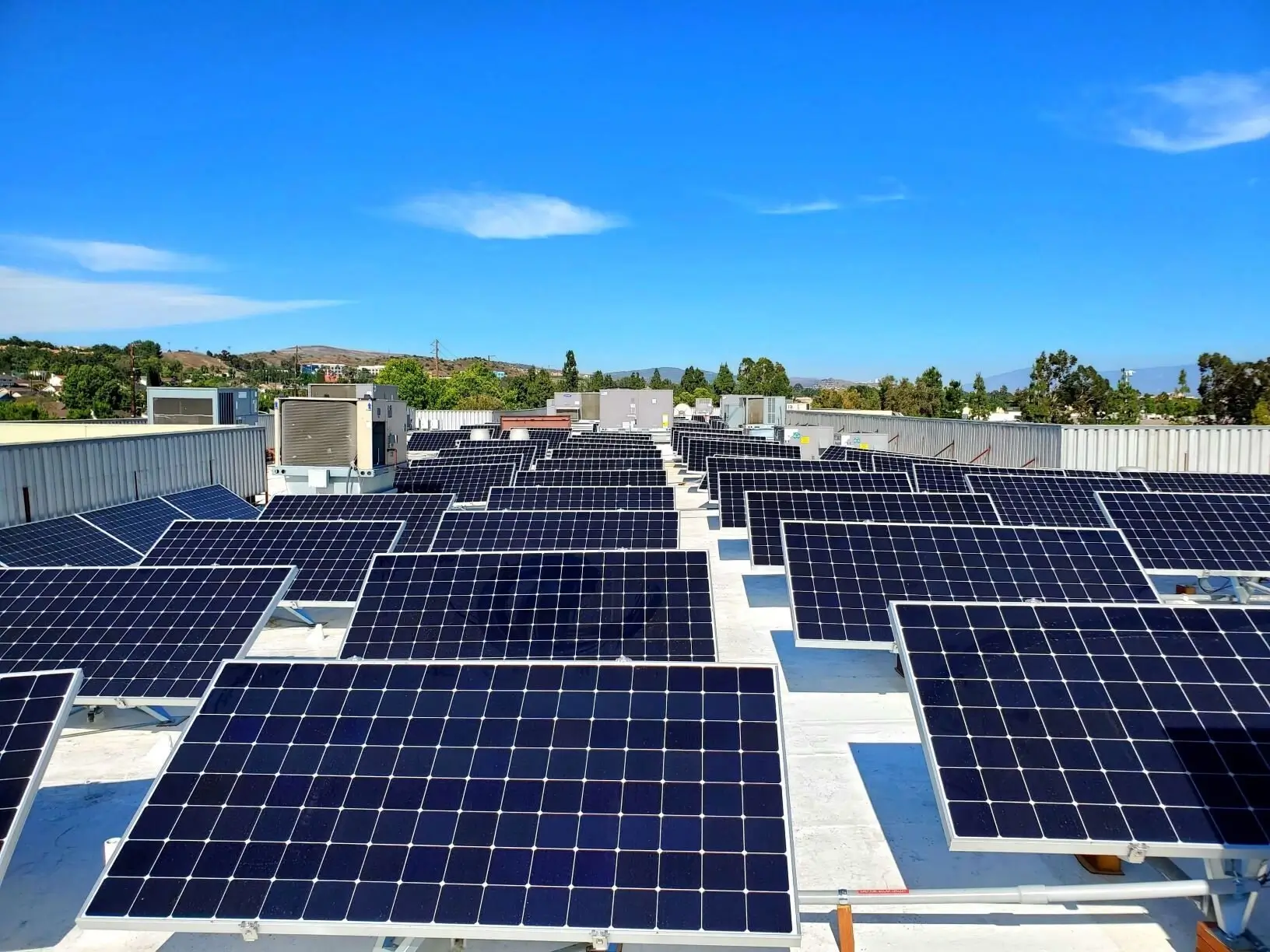
Commercial solar power installation refers to solar systems designed for offices, malls, hospitals, educational institutions, and commercial buildings with moderate to high power consumption. Industrial solar power installation, on the other hand, is tailored for factories, plants, and heavy-load facilities that operate machinery, production lines, and large-scale infrastructure.
Both systems typically use rooftop or ground-mounted photovoltaic (PV) panels connected to the grid through inverters. In most cases, businesses adopt on-grid systems to offset daytime electricity usage, reduce dependency on utility providers, and stabilise long-term energy costs.
Why Businesses in India Are Adopting Solar at Scale
India offers one of the most favourable environments for commercial solar power installation due to high solar irradiance and supportive government policies. Industrial solar power installation is especially attractive for sectors with predictable daytime energy demand, such as manufacturing, textiles, FMCG, and logistics.
Key drivers include lower electricity bills, accelerated depreciation benefits, reduced carbon footprint, and improved ESG compliance. As power tariffs continue to rise annually, solar allows businesses to lock in predictable energy costs for 25 years or more.
Cost of Commercial & Industrial Solar Power Installation in India
The cost of commercial solar power installation in India generally ranges depending on system size, panel quality, inverter type, and structural requirements. For industrial solar power installation, larger capacities often reduce the per-kW cost due to economies of scale.
Understanding ROI: How Fast Does Solar Pay Back?
One of the biggest advantages of industrial solar power installation is its strong return on investment. Most commercial solar power installation projects in India achieve payback within 3 to 5 years, depending on electricity tariffs and consumption patterns.
After payback, the system continues to generate near-free electricity for 20+ years. Typical internal rates of return (IRR) range between 18% and 25%, making solar one of the most reliable long-term infrastructure investments for businesses today.
Long-Term Performance & Reliability of Solar Systems
Modern solar panels are built for durability and consistent performance. Most manufacturers offer 25-year performance warranties, guaranteeing 80–85% output even after two decades. For both commercial solar power installation and industrial solar power installation, long-term performance depends on system design, component quality, and regular maintenance.
With minimal moving parts, solar systems require far less upkeep compared to diesel generators or other energy alternatives. Routine cleaning and periodic electrical inspections are usually sufficient to maintain optimal output.
Key Factors That Impact Solar Plant Efficiency
The success of a commercial solar power installation depends on multiple variables working together. Panel orientation, shading analysis, inverter efficiency, and load profiling all play a critical role. Industrial solar power installation projects also require careful planning to match production schedules with energy generation.
Proper system design ensures maximum utilisation of generated power, reduces grid dependency, and improves overall plant efficiency. This is why professional feasibility studies and energy audits are essential before installation.
Step-by-Step: How Solar Installation Works for Businesses
A typical commercial solar power installation process begins with a site survey and energy assessment. This is followed by system design, financial modelling, and statutory approvals. Once installation is complete, the system is tested, synchronised with the grid, and commissioned.
For industrial solar power installation, additional steps such as load optimisation, safety compliance, and integration with existing electrical infrastructure are often required. A structured approach ensures smooth deployment and long-term reliability.
Is Solar the Right Choice for Your Business?
If your business operates primarily during daylight hours and has sufficient rooftop or land availability, solar is likely a strong fit. Commercial solar power installation works well for offices, hospitals, and institutions, while industrial solar power installation is ideal for factories with high daytime consumption.
Businesses that plan to operate long-term at the same location benefit the most, as solar delivers increasing returns over time while shielding operations from rising energy costs.
Conclusion
Commercial and industrial solar power installation in India is no longer just an environmental decision, it’s a strategic business move. With falling system costs, attractive ROI, and proven long-term performance, solar enables organisations to control energy expenses while supporting sustainability goals.
For businesses seeking predictable returns and operational resilience, investing in commercial solar power installation or industrial solar power installation offers lasting value. The key lies in choosing the right system design, implementation partner, and performance strategy, because when done right, solar doesn’t just power your operations, it strengthens your future.