Introduction:
Your solar system is only as good as the company that builds it. You can buy the best panels on the market and still end up with a system that underperforms, simply because the EPC partner cuts corners on design or installation. That’s the part nobody tells you when you start shopping for quotes.
The best solar EPC company isn’t the one with the lowest quote. It’s the one that owns the entire process, from site engineering to statutory approvals to long-term performance tracking. This matters more in 2026 than it did a few years ago, because rising EB tariffs mean businesses are installing bigger systems with bigger budgets on the line.
In this guide, you’ll learn exactly what to check before you sign a contract, so you don’t find out the hard way that your EPC partner was really just a panel reseller.
How to Choose the Right Solar EPC Partner?
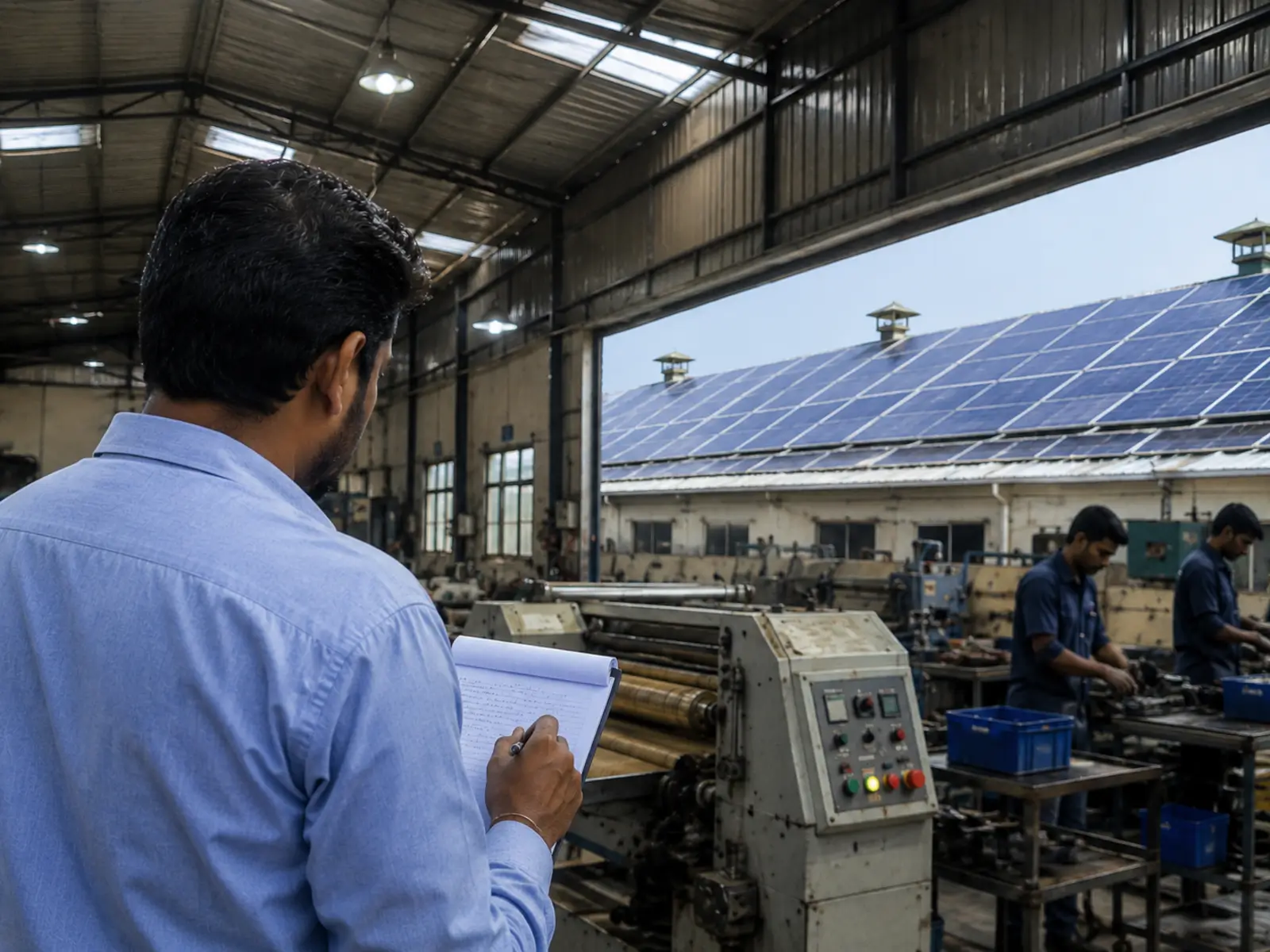
To choose the right solar EPC partner comes down to one question: do they design the system around your site, or did they just quote you a standard package? A genuine partner runs a shading study, checks your roof structure, and models your actual load pattern before recommending a system size.
Consider a factory owner who got three quotes for the same rooftop area. Two vendors gave nearly identical numbers within a day. The third took a week, sent an engineer to the site, and came back with a smaller, better-positioned system that actually generated more usable power. That gap is what separates a vendor from a partner, and it’s the first thing to look for when evaluating who gets your business.
What Makes a Solar EPC Company the Best in the Industry?
The best solar EPC company earns that reputation through engineering discipline, not marketing claims. Look for a provider that treats every rooftop as a unique engineering problem, factoring in shading, orientation, load timing, and grid compliance before quoting a number.
Industry experts at the Ministry of New and Renewable Energy have consistently pointed to proper site assessment as one of the biggest predictors of rooftop solar performance over its lifetime.
A company that skips this step to save time is setting your system up to underdeliver for the next 25 years. Ask any potential partner to walk you through their site assessment process. If they can’t explain it in detail, that’s your answer.
Why Does Statutory Approval Support Matter When Selecting an EPC Partner?
Statutory approval support matters because a delayed or rejected application can stall your entire project for months. A capable EPC partner handles CEIG clearance, TNPDCL coordination, and net metering registration as part of the package, not as an afterthought you’re left to manage yourself.
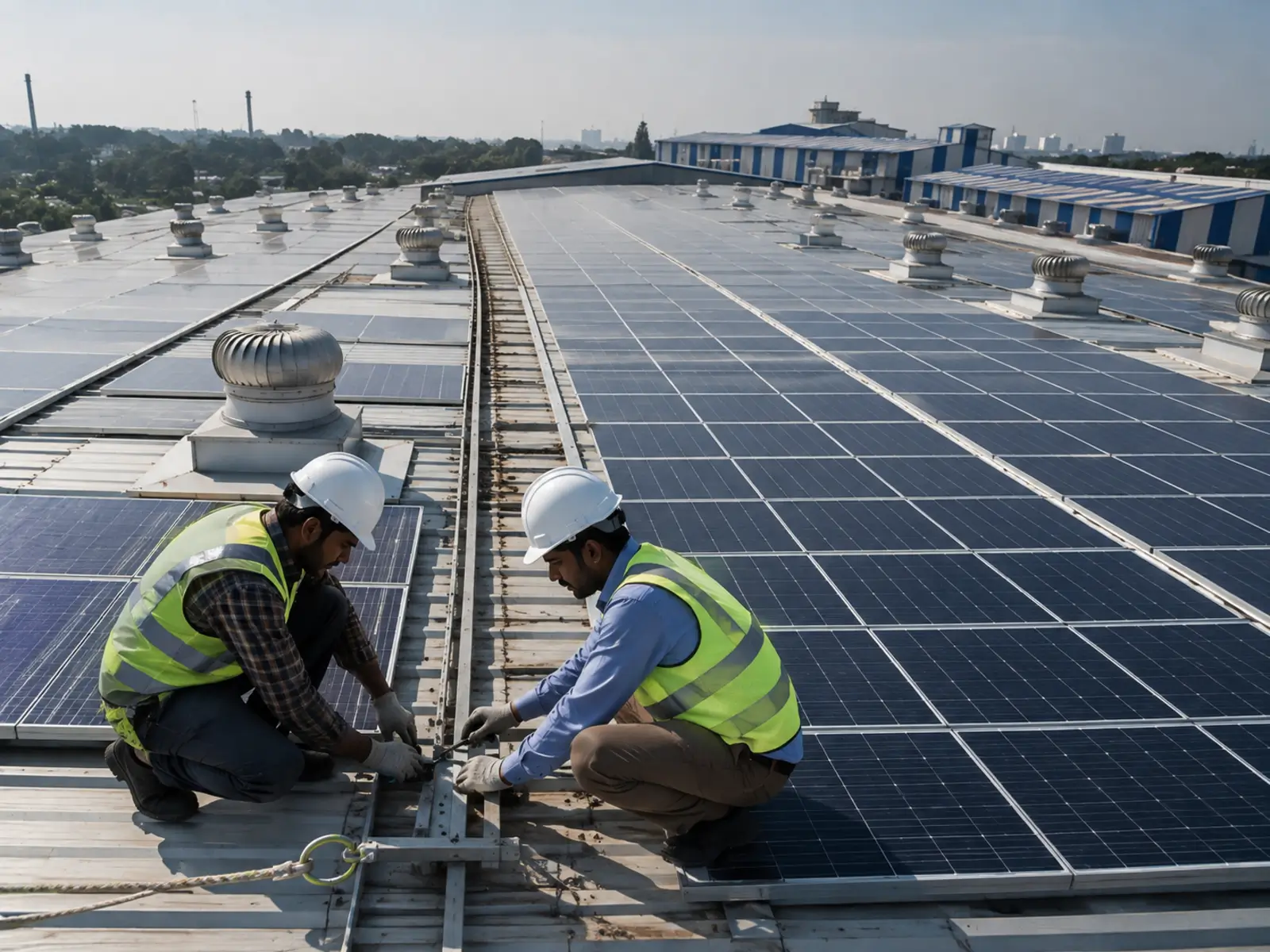
Imagine getting your panels installed on time, only to wait three extra months because nobody filed the right paperwork with the discom. This happens more often than people expect, especially with smaller EPC players who focus purely on installation and treat regulatory work as someone else’s problem. Our industrial rooftop solar process folds statutory approvals into the same timeline as installation, so there’s no separate waiting game after the panels go up.
How Do You Verify an EPC Company’s Track Record Before Signing?
You verify an EPC company’s track record by asking for real project references in your industry, not generic case studies from unrelated sectors. A textile mill’s load pattern looks nothing like a warehouse’s, and a company with only residential experience may not understand industrial-scale engineering at all.
Here’s what changed when one manufacturing unit in Erode asked for references before committing. The EPC company they were about to sign with had done exactly two commercial installations, both years ago. That single question saved them from a costly mistake. Browsing a provider’s completed projects tells you more about their real capability than any glossy brochure. Look specifically for projects similar in scale and industry to your own facility.
What Should You Ask Before Finalizing Your Solar EPC Contract?
Before finalizing your solar EPC contract, ask about warranty terms, performance guarantees, and who’s responsible if the system underperforms its projected output. A trustworthy EPC company stands behind their numbers with a written performance commitment, not just a verbal promise.
Running your numbers through a solar calculator first gives you a baseline to compare against what each EPC company promises, so you can immediately spot if a quote sounds too good to be true.
Conclusion
Finding the best solar EPC company isn’t about chasing the lowest quote. It’s about finding a partner who treats engineering, approvals, and long-term performance as one connected process instead of three separate boxes to check. The businesses that get this right end up with systems that quietly perform for decades, while the ones that don’t spend years chasing service calls and underwhelming output.
Solar in 2026 rewards businesses that vet their partner as carefully as they vet the equipment. Contact energium.in to see how a properly engineered EPC process protects your investment from day one.