Introduction:
Most solar buyers focus on price and panel brand. Almost none ask what happens between the first site visit and the day the system goes live. That gap in understanding is exactly why so many installations end up underperforming, delayed, or stuck in approval limbo for months.
The solar EPC process covers engineering, procurement, and construction as one connected sequence, and every stage feeds directly into how well your plant performs over its 25-year lifespan. In this guide, you’ll get a clear, stage-by-stage walkthrough of what a serious EPC partner actually does, what documentation to expect at each step, and where most projects go wrong when EPC quality is compromised.
What Is the Solar EPC Process From Start to End?
The solar EPC process runs across six core stages: site audit and feasibility, engineering and design, equipment procurement, civil and structural work, electrical installation, and commissioning with handover. Each stage produces a specific output, whether that’s a load study report, a simulation layout, or a commissioning test result, and each one sets the conditions for the stage that follows.
Skipping or rushing any stage doesn’t just create a problem at that point. It creates compounding losses that show up months or years later as generation gaps, approval delays, or equipment failures.
How Does the Site Audit and Feasibility Stage Work?
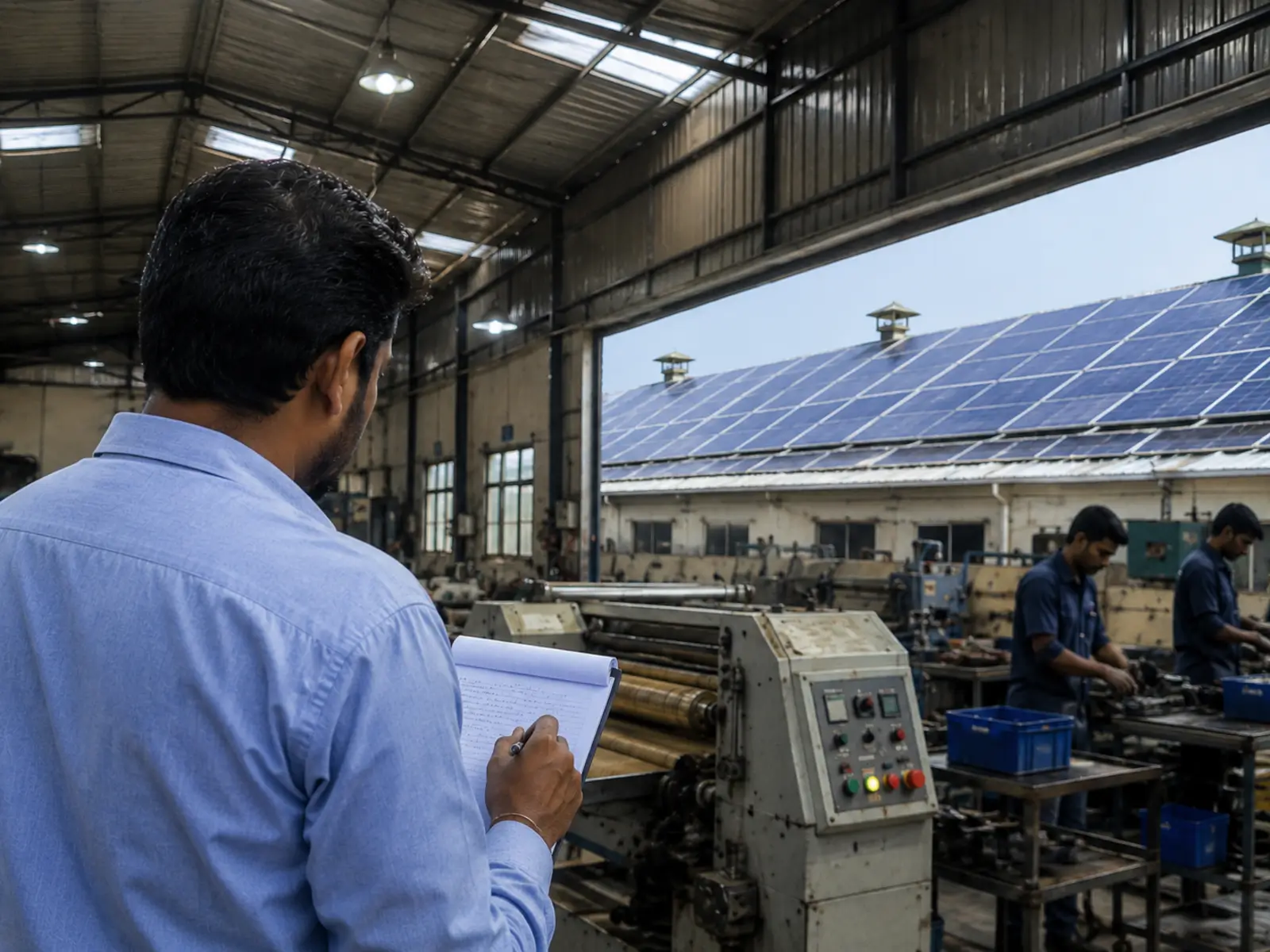
The site audit establishes whether solar is a viable and appropriately sized investment for your specific facility. Engineers physically inspect the rooftop for structural load capacity, measure shading patterns across different seasons, and analyse your actual electricity consumption data from recent bills rather than estimated figures.
This stage produces two critical documents: a structural assessment and a load study. Without both, system sizing becomes guesswork. A facility consuming most of its power during night shifts, for example, would size its system very differently from one running peak loads between 9 AM and 5 PM. Energium’s Commercial Rooftop Solar process begins here precisely because every design and financial projection depends entirely on what this audit reveals.
What Happens During Engineering and Design?
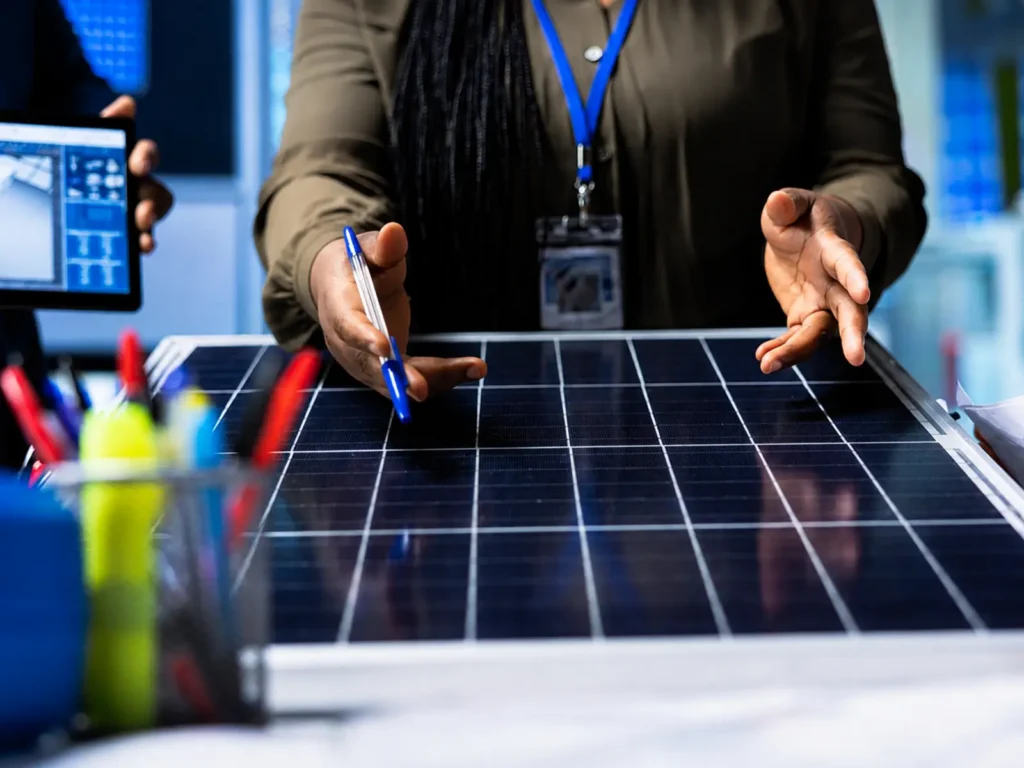
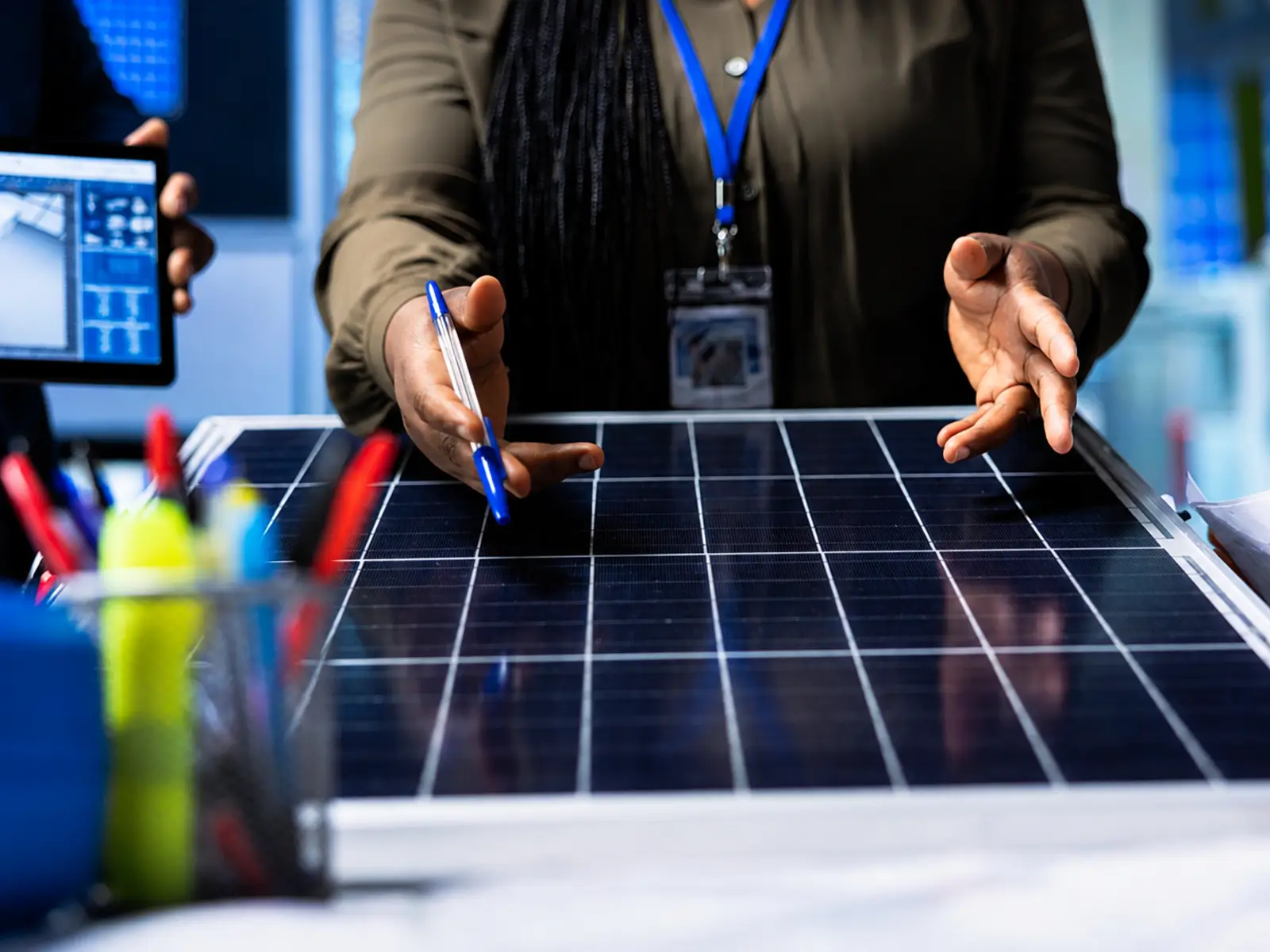
Engineering and design translates audit findings into a site-specific system layout using simulation software. Engineers model panel orientation, string configuration, cable runs, inverter sizing, and expected generation across all twelve months, accounting for your rooftop geometry and local solar irradiance data.
This stage is where good EPC work separates itself from generic quoting. A simulation report should show you projected monthly generation, expected losses, and how different design choices affect your annual output.
According to the National Institute of Solar Energy, design-stage decisions account for a significant share of long-term performance variation across commercial installations in India. Our guide on How Data-Driven Solar Plant Design Improves ROI covers why simulation depth at this stage directly protects your returns.
How Does Equipment Procurement Protect Your Investment?
Equipment procurement determines the quality and longevity of every component that goes on your roof. A reliable EPC partner sources Tier-1 panels and inverters with verified degradation rates, bankability ratings, and manufacturer warranties that hold up when claims are actually filed.
And here’s the thing: the cheapest component rarely stays the cheapest once you factor in degradation and replacement. Tier-1 panels typically degrade at around 0.5% per year, while lower-grade options can degrade two to three times faster, meaning your year-10 output looks very different depending on what your EPC firm sourced.
Request written component specifications with model numbers before procurement begins, not after installation, when substitutions are harder to reverse.
What Does Civil and Structural Work Involve?
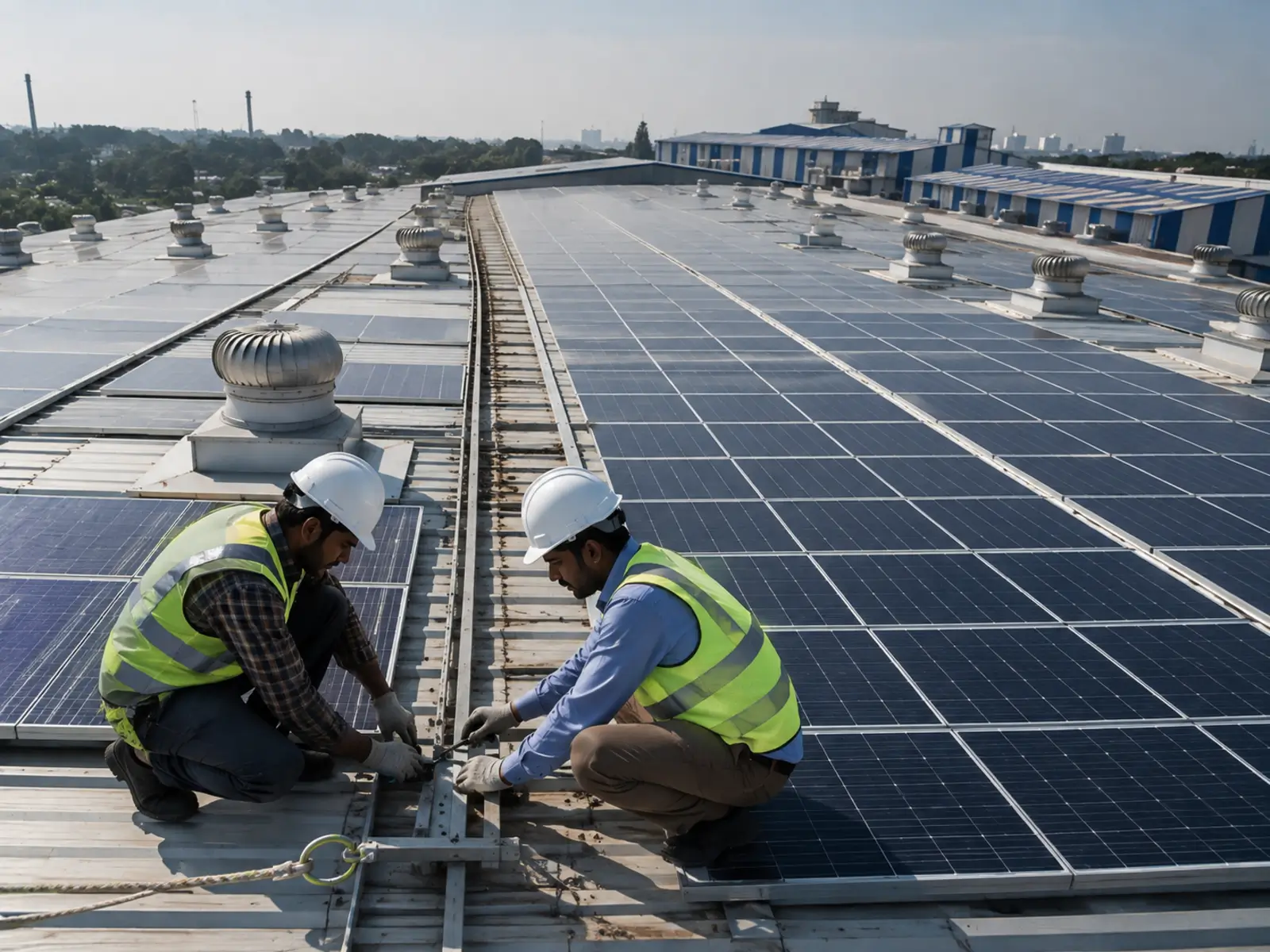
Civil and structural work covers everything that supports your panels before a single electrical connection is made. This includes mounting structure fabrication, rooftop waterproofing, cable tray installation, and earthing system setup, all of which must meet site-specific load and safety requirements.
Corners cut here don’t show up immediately. They show up during the first heavy monsoon season when water ingress damages cabling, or during an inspection when earthing doesn’t meet CEIG standards.
A disciplined EPC firm documents structural work with photographic records and sign-offs at each stage, creating an audit trail that protects both the business owner and the warranty. Energium’s project execution approach builds this documentation into every installation rather than treating it as optional paperwork.
How Does Commissioning and Handover Complete the Solar EPC Process?
Commissioning verifies that the installed system performs in line with the engineered design before handover. This includes insulation resistance tests, string-level output measurements, inverter configuration checks, and a comparison of actual generation against the simulation model.
A formal commissioning report should accompany every handover, along with net-metering approval documentation, as-built drawings, and a monitoring dashboard walkthrough. Without real-time monitoring in place from day one, early performance drops go undetected and quietly reduce your returns for months.
Conclusion
The solar EPC process determines your plant’s long-term performance far more than panel brand or quoted price alone. A system built on a thorough audit, simulation-backed design, verified components, disciplined installation, and real-time monitoring will consistently outperform a cheaper alternative across every year of its operating life.
Ready to see how this process applies to your facility? Start by exploring Energium’s Industrial Rooftop Solar services or run your savings estimate through the Solar Calculator first. As commercial electricity tariffs continue rising through 2026, the businesses that understand and demand a rigorous solar EPC process will be the ones protecting their investment for decades ahead.