Introduction:
Electricity is one of the few operating costs an MSME can actually control. Rent goes up because the market decides it. Raw material costs move with global prices you have no say over. But your power bill? That’s the one lever you can pull yourself, and solar for MSME businesses is exactly that lever.
Solar for MSME operations works by generating a portion of your daytime power needs on-site, cutting your dependence on grid electricity and its rising tariffs. This matters right now because MSMEs run on tighter margins than large industrial players, and every rupee saved on EB bills goes straight back into the business.
In this guide, you’ll learn how small manufacturers are using rooftop solar to cut costs, what makes an MSME a good fit for it, and how to avoid the mistakes that stall smaller projects.
Why Does Solar for MSME Businesses Matter More in 2026?
Solar for MSME businesses matters more in 2026 because power tariffs keep climbing while margins in manufacturing stay thin. A small weaving unit or fabrication shop often can’t absorb a tariff hike the way a large factory can, since there’s less room to adjust elsewhere.
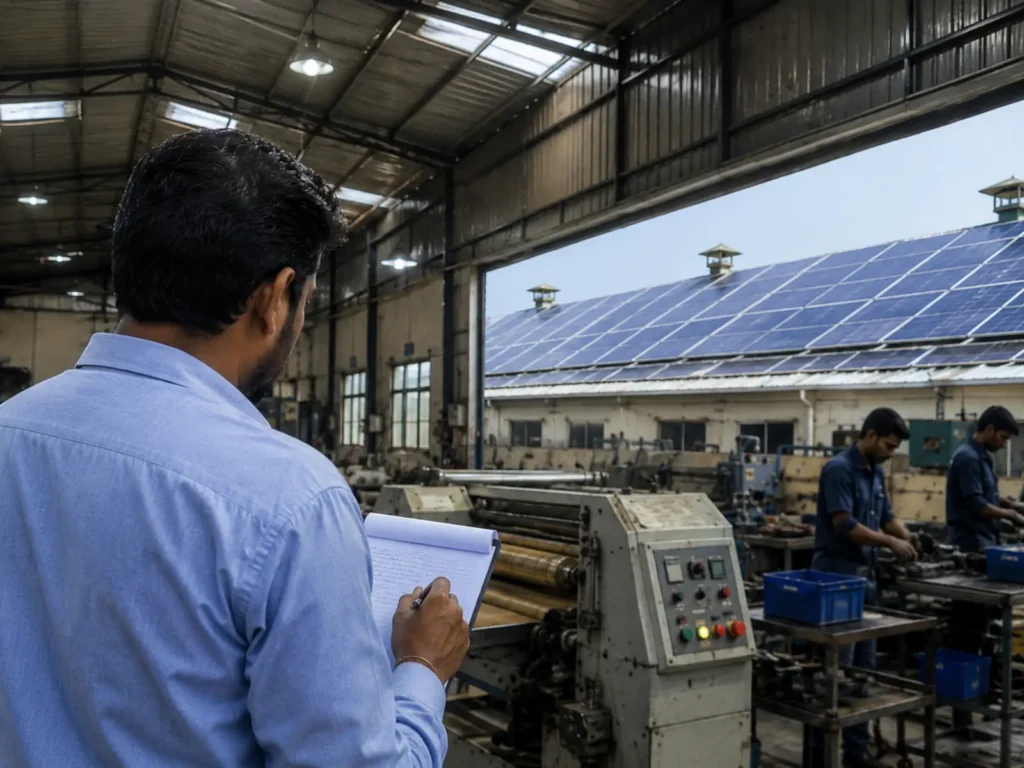
Consider a small textile unit running two shifts a day. A modest tariff increase might look small on paper, but across a full year, it eats directly into profit that was already tight. Rooftop solar doesn’t eliminate that pressure completely, but it takes a meaningful chunk of your daytime consumption off the grid, and that difference compounds month after month.
How Does Solar for MSME Differ From Large Industrial Installations?
Solar for MSME setups differs mainly in scale and financing structure, not in the underlying engineering principles. An MSME typically has a smaller rooftop, a lower sanctioned load, and less capital to deploy upfront, so the system needs to be sized precisely rather than oversized for future growth that may or may not happen.
Here’s what changed when one small manufacturing unit in Perundurai approached solar the wrong way first. They initially wanted the biggest system their roof could physically hold, based on a vendor’s suggestion. A proper load study showed a smaller, correctly sized system would actually deliver better ROI, since the larger one would have generated excess power the unit couldn’t use during off-peak hours. Right-sizing is where solar for MSME projects succeed or quietly underdeliver.
What Financing Options Make Solar for MSME Affordable?
Financing options make solar for MSME affordable through subsidy schemes, accelerated depreciation benefits, and solar-specific loan products that many banks now offer to smaller businesses. These options exist specifically because policymakers recognize that MSMEs drive a large share of India’s manufacturing output.
According to the Ministry of Micro, Small and Medium Enterprises, MSMEs contribute significantly to India’s industrial employment and output, which is part of why supporting their energy costs has become a policy priority.
Ask your EPC partner to walk you through what subsidy or depreciation benefit applies to your specific unit type, since these vary by industry and system size. A good solar calculator can factor these benefits directly into your projected payback period.
How Do You Know If Your MSME Roof Is Ready for Solar?
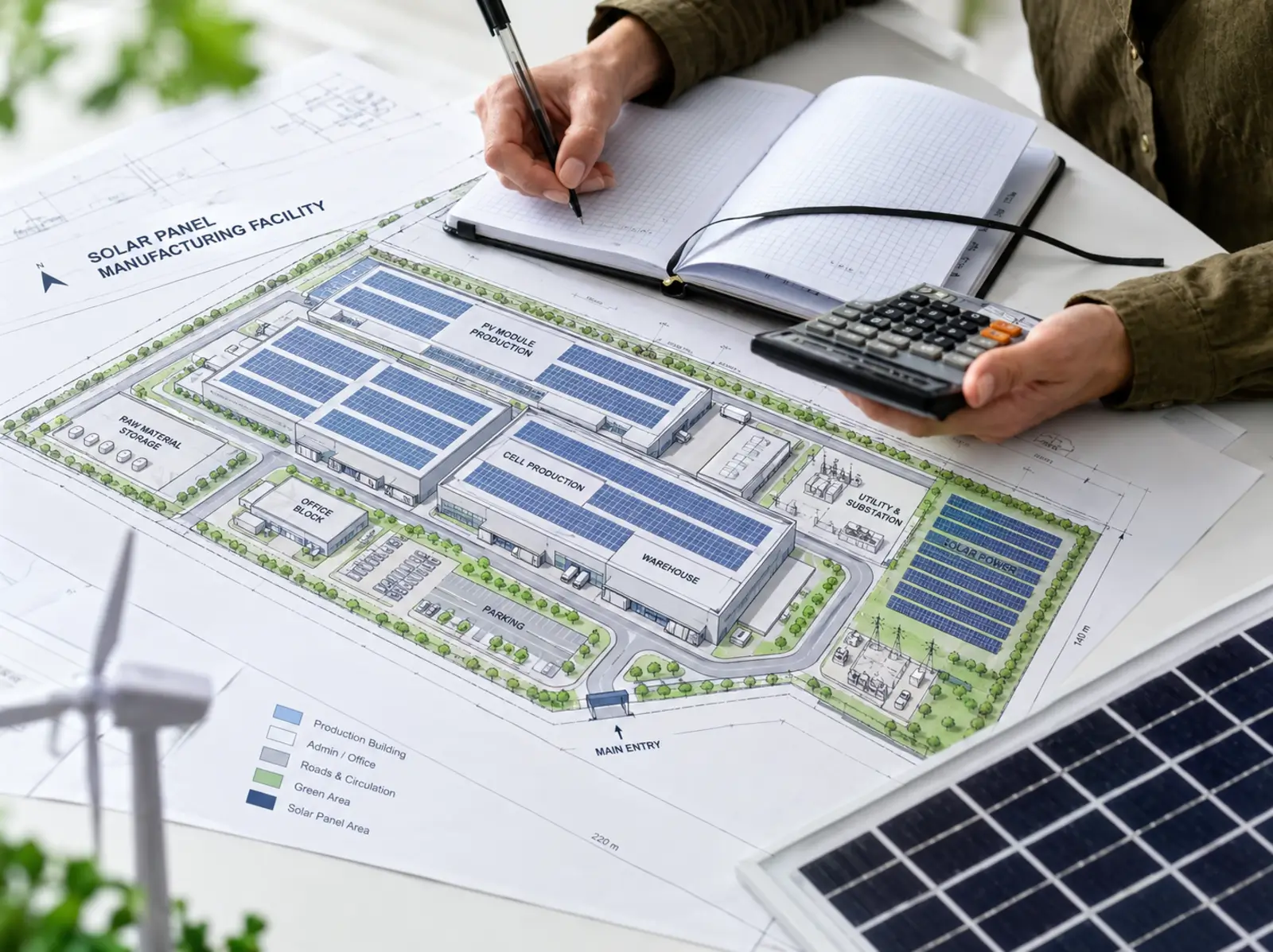
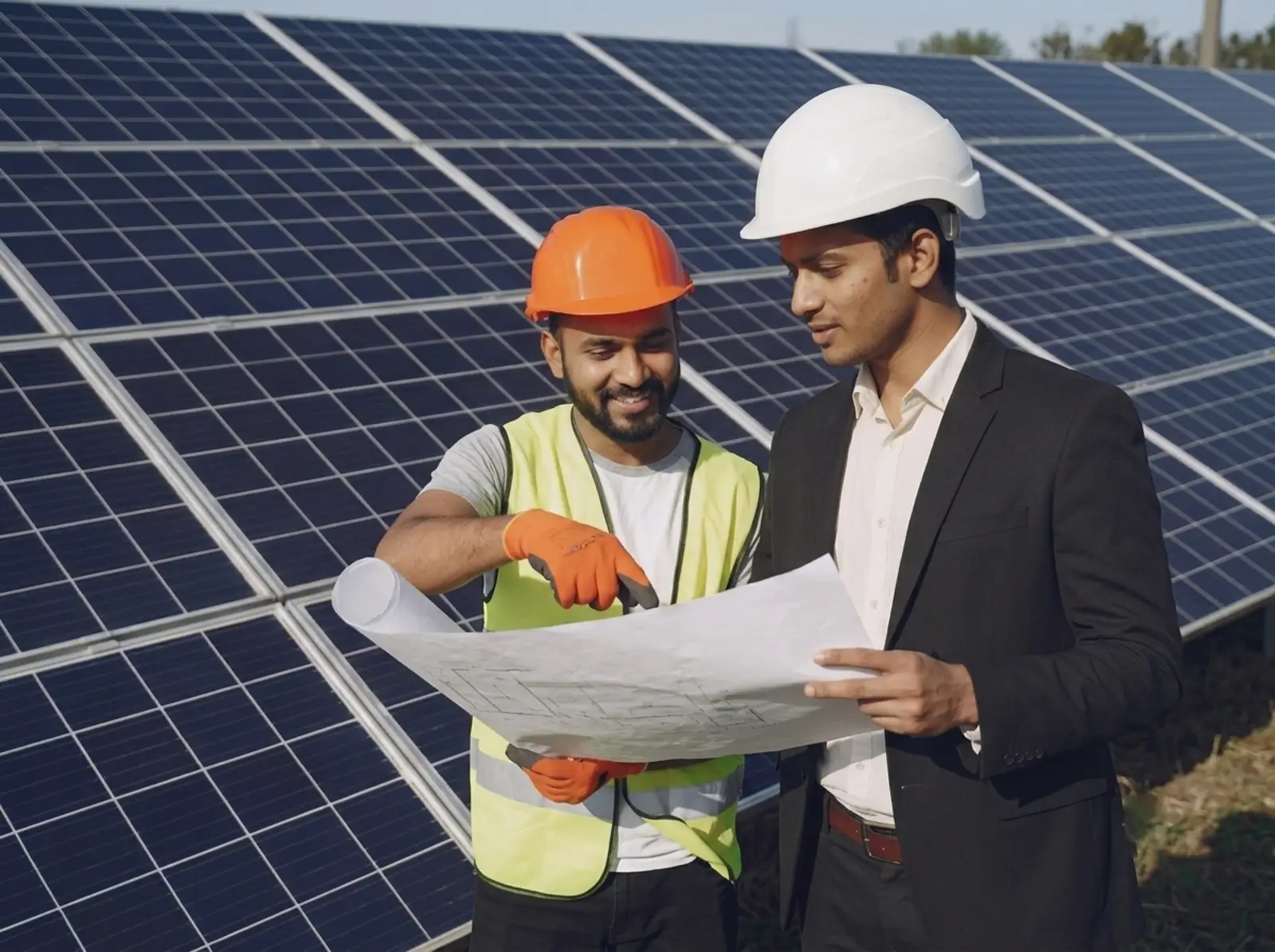
You know your MSME roof is ready for solar once a proper site assessment confirms your available area, shading conditions, and structural capacity can support the system size you actually need. A quick visual estimate from a photo isn’t enough. Rooftop conditions like water tanks, adjacent structures, and roof material all affect what’s realistically achievable.
Imagine assuming your full roof is usable, only to discover during installation that half of it sits in partial shade for most of the afternoon. That’s the kind of gap a proper commercial rooftop solar assessment catches early, before it becomes an expensive surprise. Reviewing real completed projects similar in scale to your facility gives you a realistic sense of what your own roof might support.
What Mistakes Do MSMEs Make When Going Solar?
The most common mistake MSMEs make is chasing the cheapest quote instead of the most accurate one. A quote that skips a proper shading study or load analysis often looks attractive upfront, but it tends to underperform once installed, leaving the business stuck with a system that doesn’t deliver the savings it was promised.
Another frequent mistake is underestimating the paperwork. Statutory approvals, net metering registration, and discom coordination take time, and MSMEs without in-house resources for this often face delays that push installation timelines back by months. Choosing an EPC process built to handle this end-to-end avoids that entirely.
Conclusion
Solar for MSME businesses isn’t about chasing a trend. It’s about taking control of the one operating cost that’s within reach, instead of watching tariffs rise year after year with no response. The MSMEs that get this right treat solar as a calculated investment, backed by a proper site assessment and realistic financing plan, not a rushed decision based on the lowest number on a quote sheet.
If rising EB bills are cutting into your margins, the smartest first step is running your own numbers. Solar in 2026 rewards businesses that plan with data instead of guesswork. Contact Energium to see what a properly sized system could save your MSME this year.