Introduction
According to the National Renewable Energy Laboratory, poorly planned solar installations can underperform by up to 30 percent compared to well-engineered ones. That gap between what was promised and what actually gets delivered comes down to one thing that is the quality of the solar EPC process behind the installation.
EPC stands for Engineering, Procurement, and Construction. It covers everything from the first site study to the final panel on your rooftop. In this guide, you will learn exactly what solar EPC means, how each phase works, what separates Energium from other EPC partners, and why this matters enormously for your business’s long-term returns.
What Does Solar EPC Actually Mean for Commercial Businesses?
Solar EPC is the end-to-end process that governs how a rooftop solar installation is planned, sourced, and built. Engineering comes first, procurement follows, and construction completes the cycle. Each phase depends on the one before it, which means a weak engineering phase creates problems in procurement, and poor procurement creates problems in construction.
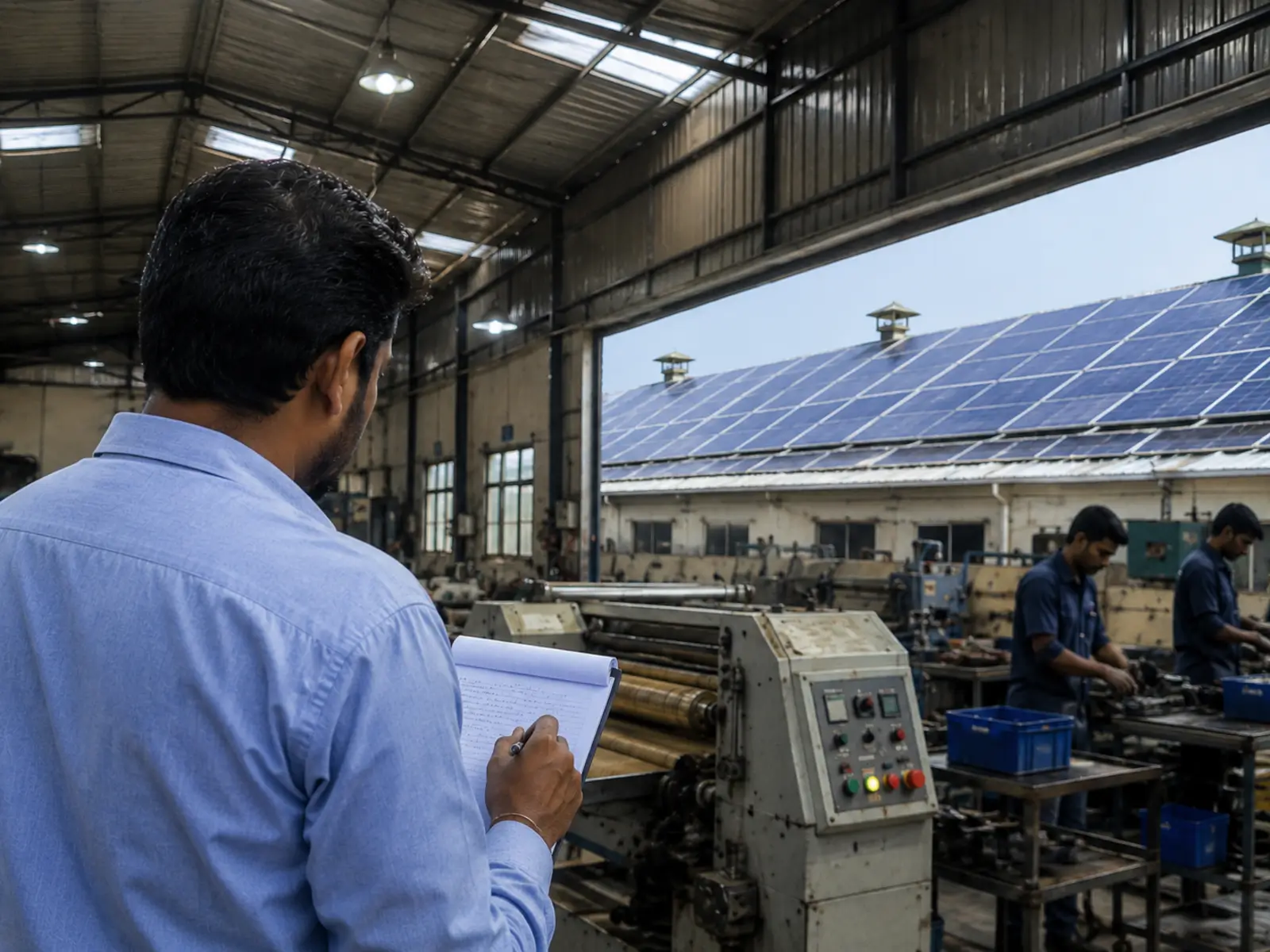
For commercial businesses, this matters more than it does for smaller installations. A factory, warehouse, or commercial building that invests in a rooftop solar project is committing to a 25-year infrastructure asset. Getting the EPC process right from day one determines whether that asset delivers its projected returns or quietly underperforms year after year. Also, know how Energium’s EPC maximizes profit.
How Does the Engineering Phase of Solar EPC Protect Your Investment?
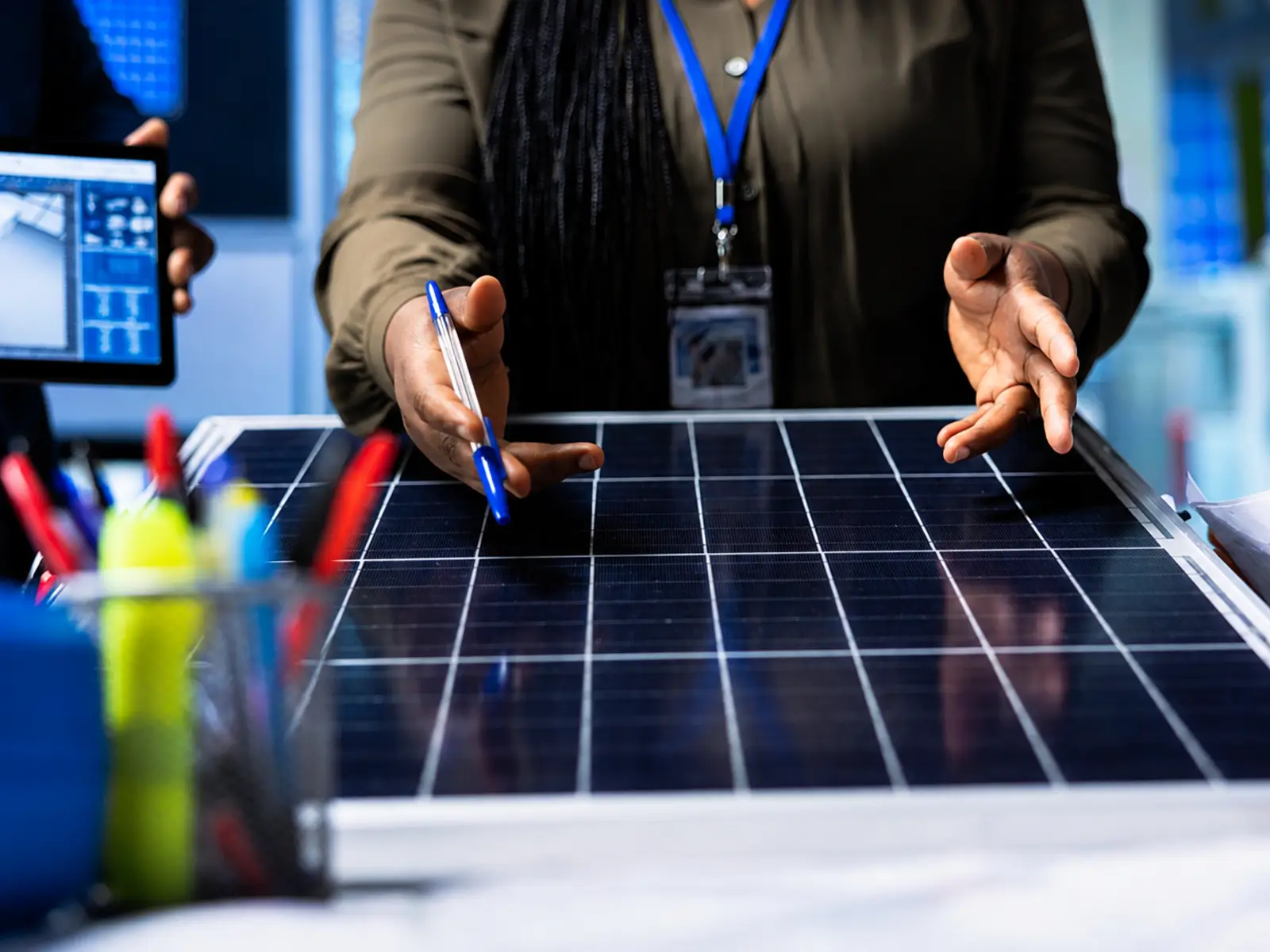
The engineering phase is where performance is actually determined. Long before a single panel is ordered, a thorough solar EPC process involves detailed site evaluation, three-dimensional rooftop modeling, shading analysis, load profiling, and generation simulation using software like SketchUp Pro and PVsyst.
According to the Solar Energy Industries Association, simulation-based design can improve generation accuracy by up to 20 percent compared to installations planned without software validation. For a commercial facility consuming high volumes of power, that difference translates directly into bill savings and payback timelines. You can explore how our engineering approach works across our completed industrial and commercial projects to see this process in action.
The engineering phase also includes a financial feasibility check. A rigorous solar EPC partner tells you upfront whether the investment makes sense for your specific facility. If the numbers do not work, they say so before any money is committed. That honesty is rare, but it is exactly what protects businesses from expensive mistakes.
What Makes Procurement Critical in a Solar EPC Project?
Procurement is where many solar projects get quietly compromised. Generic components sourced purely on cost rather than site-specific compatibility create performance mismatches that reduce output and accelerate degradation over time.
A reliable solar EPC process selects components based on the engineering phase findings. Tier-1 panels are matched to the rooftop’s orientation, shading conditions, and load profile. Inverters are chosen based on the facility’s peak demand behavior and future expansion requirements. This site-specific approach ensures the installed system performs as the simulation projected rather than falling short due to component mismatch.
And, most underperforming installations were not built with bad components. They were built with components that were never matched to the site in the first place. You can understand how our industrial rooftop solar service approaches component selection as part of a fully integrated EPC workflow.
How Does the Construction Phase of Solar EPC Determine Long-Term Output?
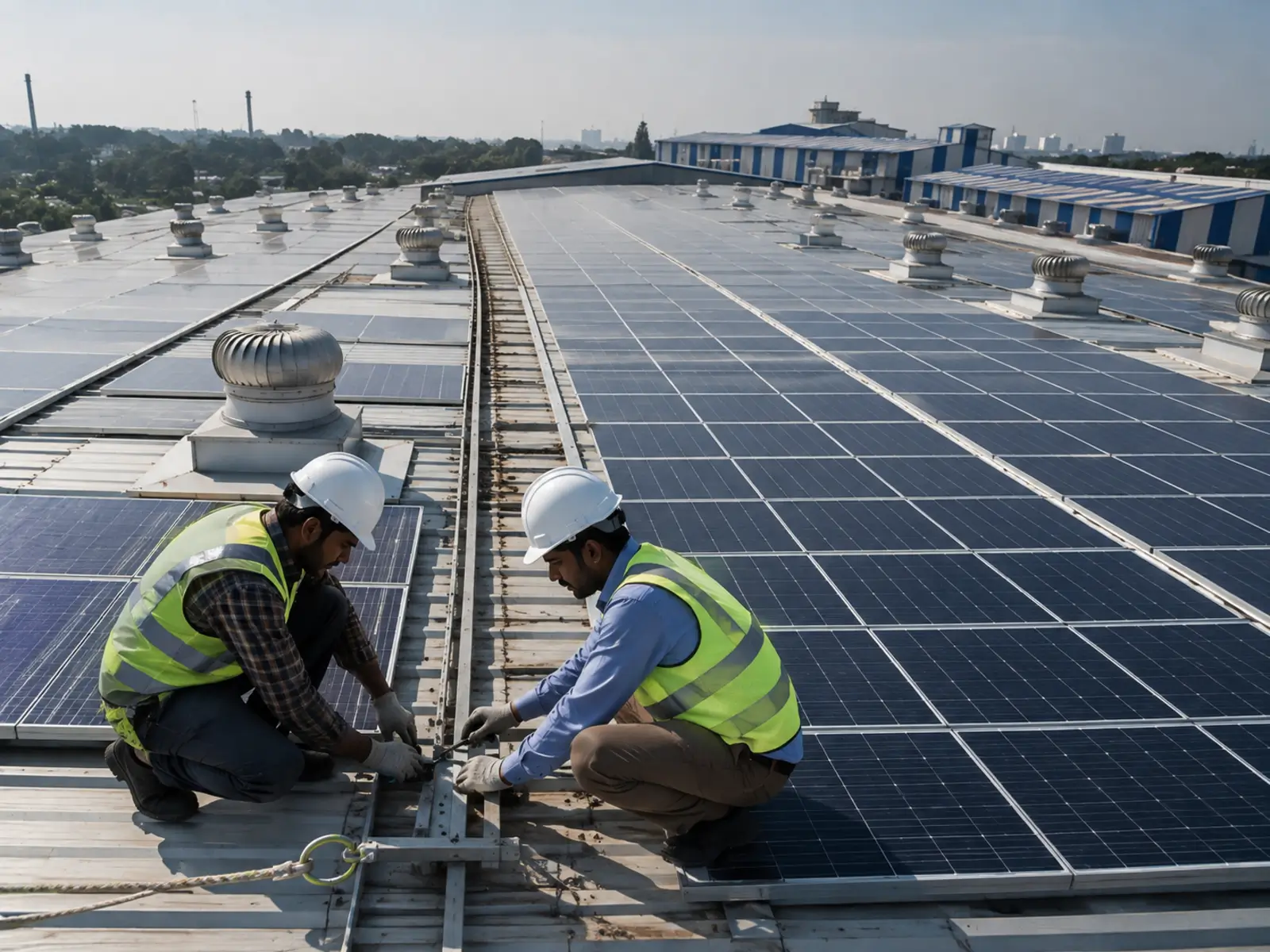
Construction quality determines how long a system performs at its designed capacity. A proper solar EPC construction phase follows strict quality checks at every stage, from structural mounting to electrical connections and final commissioning testing.
One quality step that separates rigorous EPC providers from average ones is pre-installation module testing. Before any panel reaches the rooftop, every unit should undergo open circuit voltage verification to confirm it meets manufacturer specifications. Panels that fail are documented, reported, and replaced before installation. Most solar EPC providers skip this step entirely. It takes time and discipline. But it protects the client’s output for the full 25-year lifespan of the installation.
Safety infrastructure is equally important. Custom mounting grids designed for each rooftop’s specific structural load ensure both installation safety and long-term panel stability. A well-executed construction phase means the installed system performs reliably under real-world conditions, not just on paper.
Why Does Post-Installation Monitoring Complete the Solar EPC Cycle?
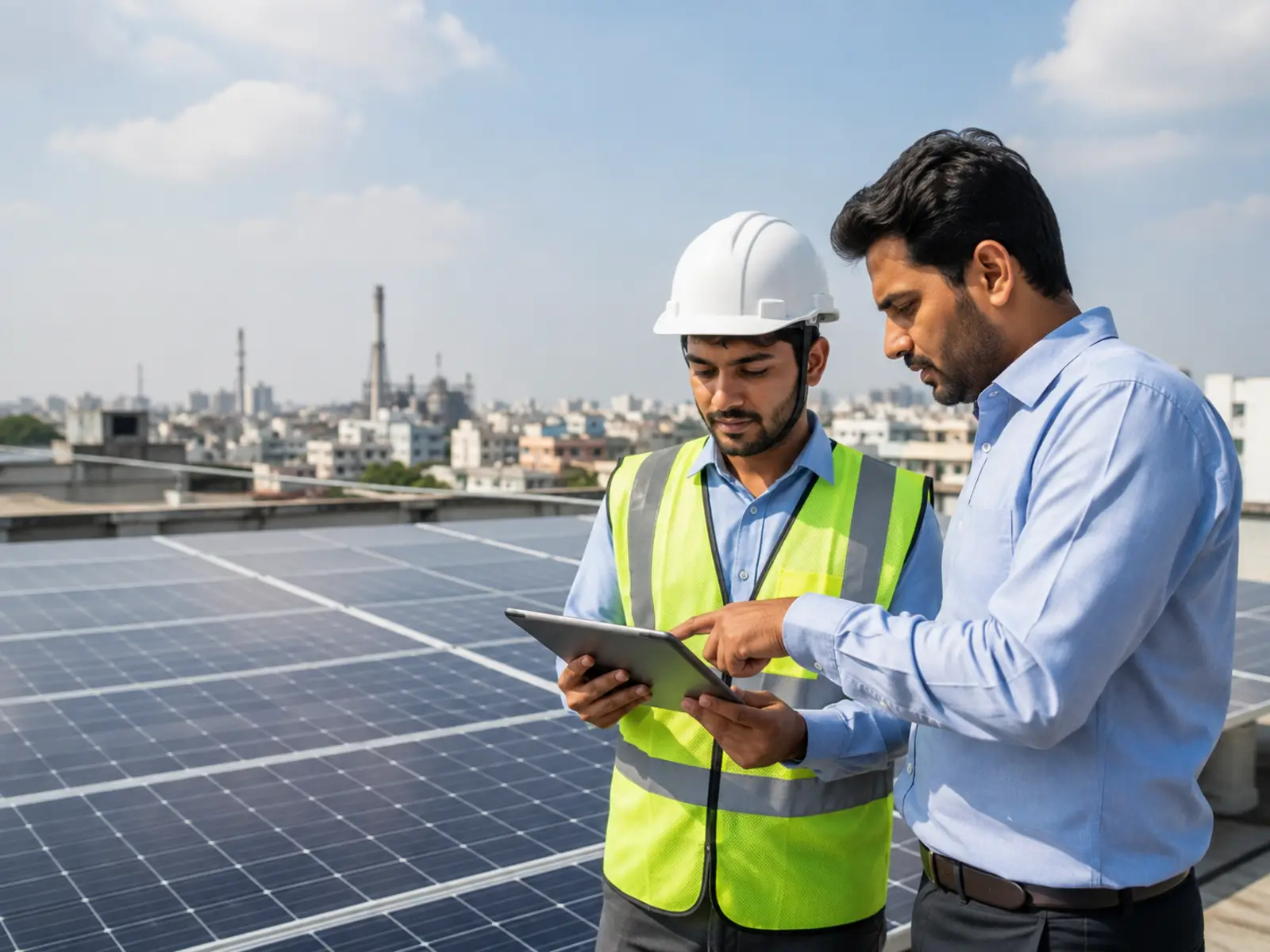
A solar EPC process does not end at commissioning. Real returns require ongoing visibility into system performance. IoT based real-time monitoring tracks energy generation, system health, performance trends, and operational alerts on a daily basis.
According to research by the International Renewable Energy Agency, monitored solar installations outperform unmonitored ones by 10 to 15 percent over their lifetime because issues are identified and resolved faster. For commercial businesses, this visibility also provides complete transparency into the return on their investment, with every unit generated, every rupee saved, tracked and reported clearly.
If you want to estimate what your facility could generate and save before committing to a solar EPC project, our Solar Calculator gives you a data-backed starting point with no obligation.
What Should You Look for in a Solar EPC Partner?
Choosing the right solar EPC partner is the single most important decision in your solar investment journey. The right partner brings engineering depth, honest financial assessment, site specific procurement, rigorous construction standards, and long-term monitoring into one integrated process.
Ask any solar EPC provider these questions before signing anything. Do they conduct simulation-based design using professional software? Do they perform pre-installation module testing? Do they include real-time monitoring as a standard deliverable? Do they give you an honest feasibility assessment even if it means not recommending an installation?
The answers reveal whether you are dealing with an engineering-led partner or a volume installer. You can read more about how we approach commercial rooftop solar and what our process looks like from first assessment to final commissioning.
Conclusion
Solar EPC is the framework that determines whether your rooftop investment delivers what it promised or quietly falls short. Engineering, procurement, and construction each play a critical role, and the quality of each phase directly affects your output, your payback timeline, and your returns across 25 years of operation.
Choosing a solar EPC partner who takes every phase seriously is not just a preference. It is the difference between a system that performs and one that disappoints. If you are evaluating a rooftop solar project for your commercial or industrial facility, start with the engineering. Explore our approach to industrial and commercial solar EPC or reach out through our contact page to begin a conversation built on data, not assumptions.