Introduction
Nearly 30% of commercial solar installations in India underperform their projected output within the first three years. The gap usually traces back to weak EPC execution. A capable commercial solar EPC partner closes that gap by engineering every stage of a project, from the first site audit to years of post-installation monitoring, so your plant performs at its peak for decades, not just at switch-on.
In this guide, you’ll learn exactly how top EPC companies protect performance at every stage of a solar project. You’ll also see why the difference between an average installer and an engineering-led EPC firm like Energium shows up directly on your electricity bill, year after year.
How Do EPC Companies Ensure Maximum Solar Plant Performance?
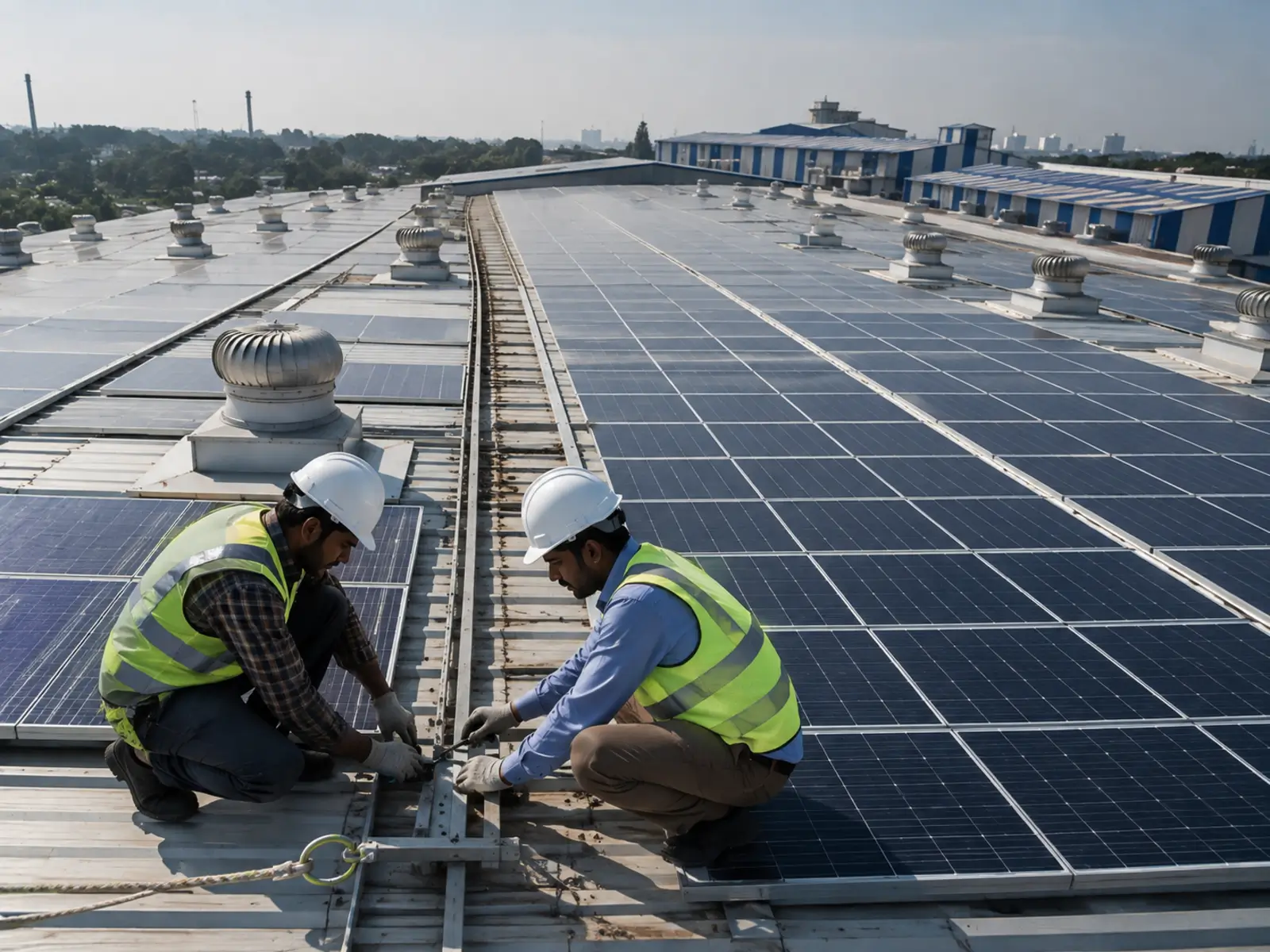
EPC companies ensure maximum solar plant performance by controlling design, equipment, installation quality, and monitoring as one connected system rather than separate steps. Each phase feeds data into the next, so design assumptions get tested against real installation conditions, and installation quality gets verified through ongoing performance tracking. This closed-loop approach is what separates a 25-year asset from a system that quietly loses 15-20% efficiency within a few seasons.
Think of a textile mill in Erode that installs a 300 kW rooftop system. If the EPC firm skips a proper shading study or rushes the layout, the plant might look fine on paper but underperform by double digits once real shadows from nearby structures hit certain panel strings at 3 PM every day. Good EPC work catches this before a single panel goes up.
Why Does Site Audit and Load Study Matter So Much?
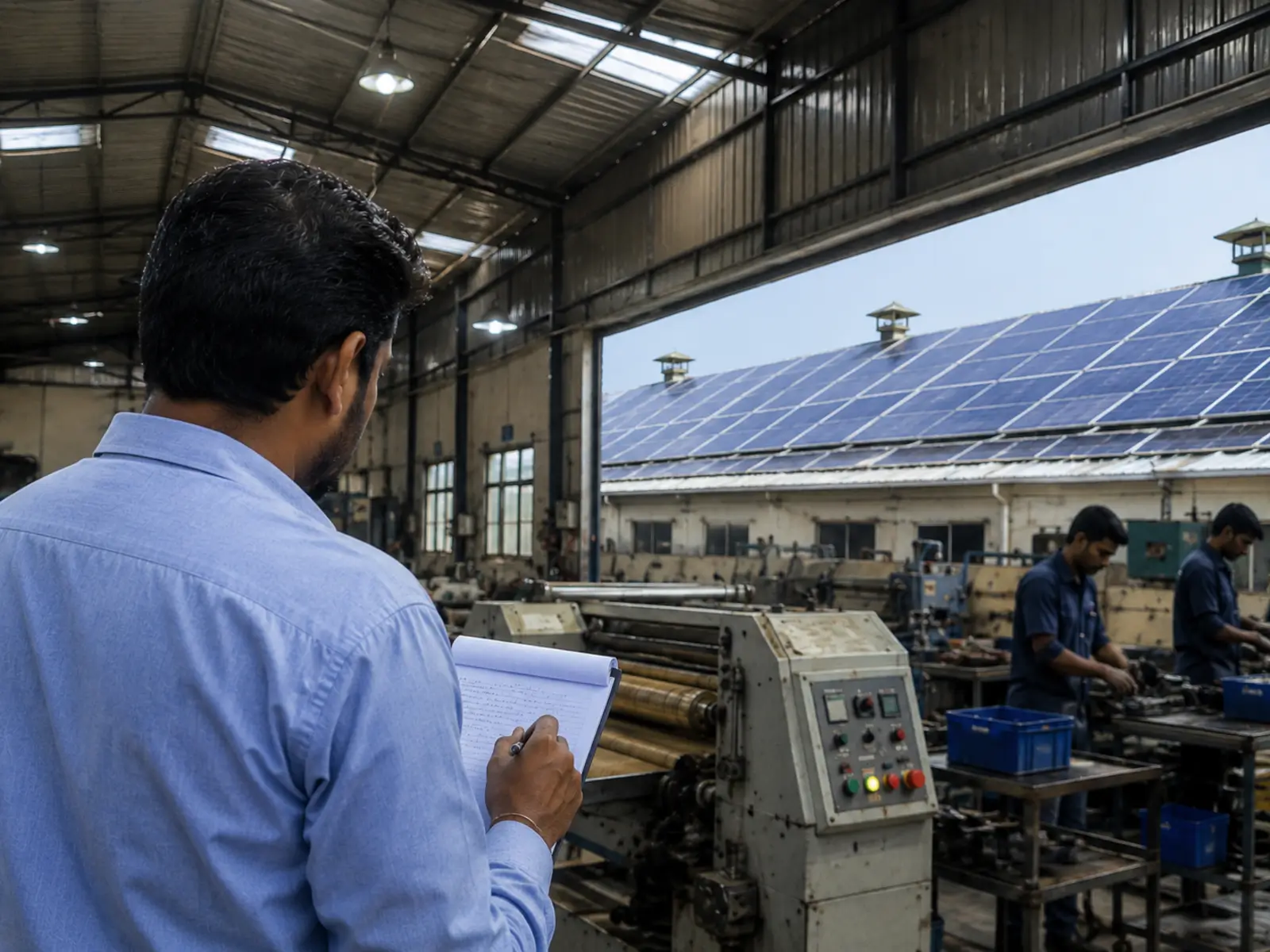
A thorough site audit prevents costly performance losses before any equipment is purchased. EPC engineers measure rooftop structural capacity, shading patterns across seasons, and your actual electricity load profile, not just your sanctioned load. This data shapes every decision that follows.
Skipping this step is the single most common reason commercial solar plants underperform. A facility’s load study, for instance, often reveals peak consumption hours that don’t match the assumptions a generic quote was built on, leading to oversized or undersized systems. Engineering-led firms like Energium build their entire Industrial Rooftop Solar process around this audit-first approach, treating it as the foundation rather than a formality.
What Role Does Engineering and Design Play in Performance?
Software-driven design and simulation determine how much energy your system will actually generate, not how much it could theoretically generate. EPC firms use simulation tools to model panel tilt, string configuration, inverter sizing, and cable losses specific to your rooftop’s geometry and local irradiance data.
When one Perundurai weaving mill switched EPC partners mid-project: the new design team identified that the original layout ran strings across two roof sections with a one-degree elevation difference, creating a mismatch loss of nearly 4%. Reworking the string configuration alone recovered that lost output. This is the kind of detail that separates a generic layout from one engineered for your specific site, and it’s central to Energium, which validates every layout through simulation before construction begins.
The Science Behind Quality Component Selection
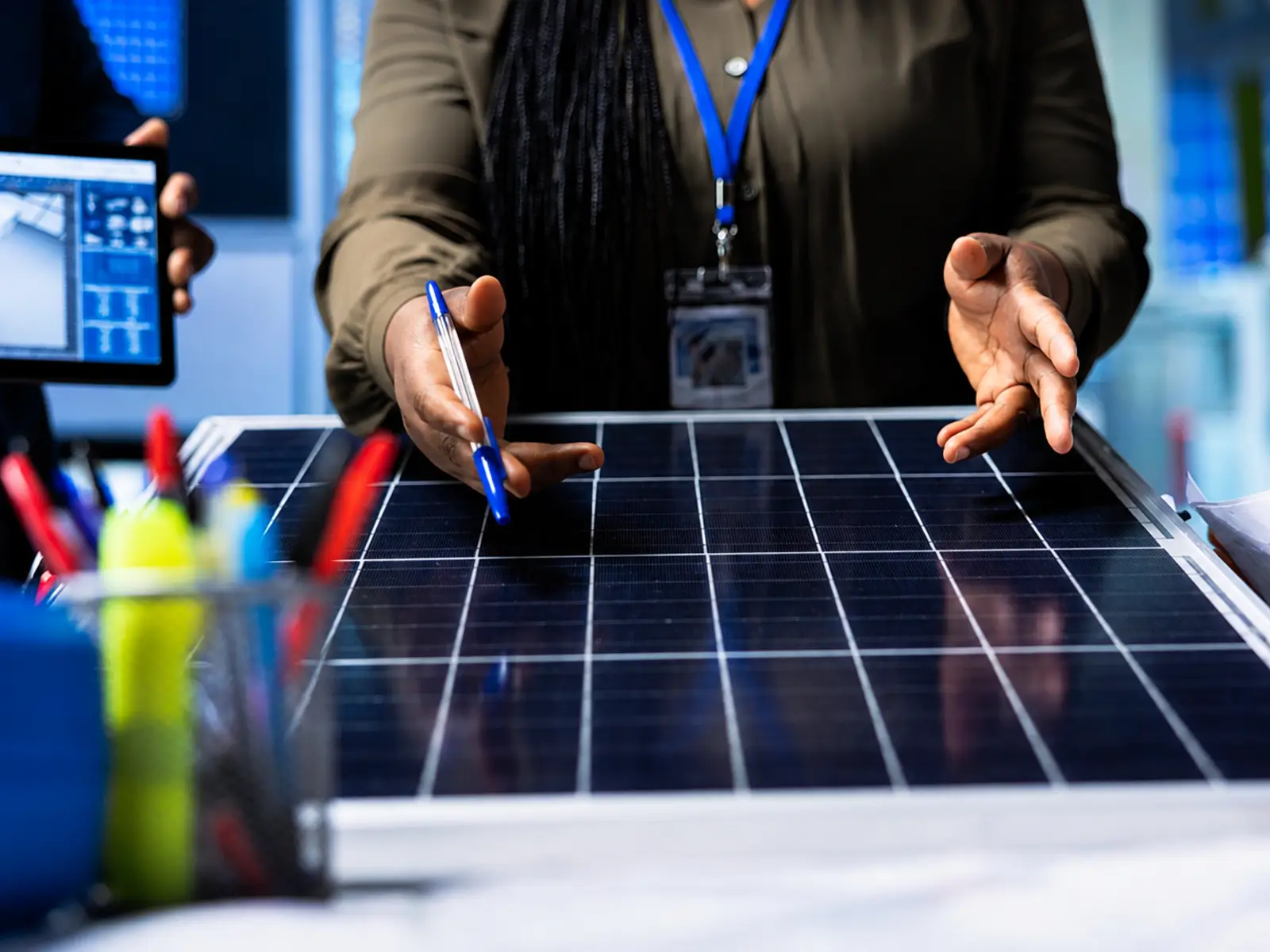
Tier-1 components directly determine how much your system degrades over 25 years. Solar panels, inverters, and mounting structures vary enormously in build quality, and cheaper components often degrade 2-3 times faster than certified Tier-1 equipment.
A reliable commercial solar EPC partner sources panels and inverters with verified manufacturing track records and bankability ratings, not just the lowest quote. Industry experts consistently recommend checking inverter efficiency curves and panel temperature coefficients, since these specifications affect real-world output far more than headline wattage numbers. This is also why pricing alone shouldn’t drive your decision. If you’re still weighing your options, our breakdown of the Top 10 Commercial Solar Power Solution Providers in South India explains what separates dependable providers from undercutting ones.
Why Is Real-Time Monitoring Essential After Installation?
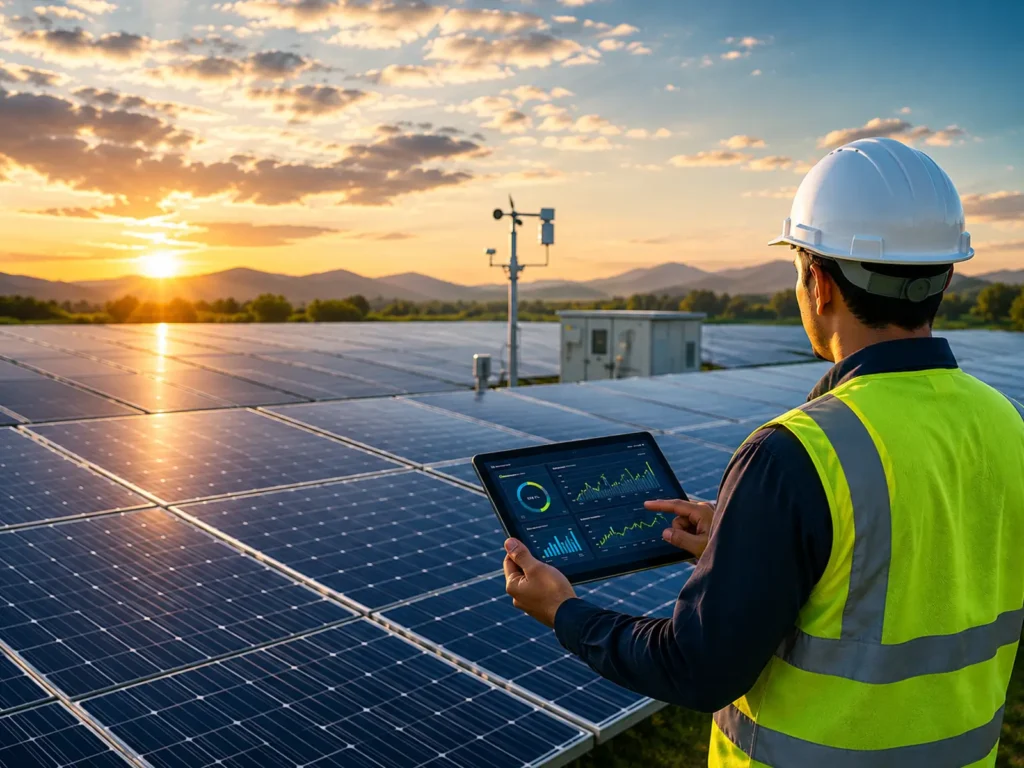
Continuous IoT monitoring catches performance drops within days instead of months. Without real-time visibility, a 10% generation drop from a soiled panel array or a faulty string can go unnoticed for an entire billing cycle, quietly eating into your savings.
Monitoring dashboards track string-level output, compare it against expected generation, and flag anomalies automatically. Additionally, this data feeds preventive maintenance schedules, helping EPC teams clean panels, tighten connections, or swap faulty components before losses compound. For a deeper look at how this data layer supports returns, see our guide on How Data-Driven Solar Plant Design Improves ROI.
Conclusion
Maximum solar plant performance isn’t an accident. It’s the result of an EPC company treating audit, design, component selection, installation, and monitoring as one continuous engineering process rather than a checklist of disconnected vendors. A commercial solar EPC partner that controls this entire chain protects your investment for the full 25-year lifespan of the asset, not just the warranty period.
Ready to see how this approach applies to your facility? Start by exploring Energium’s Commercial Rooftop Solar services. As commercial energy costs keep climbing through 2026, engineering-led EPC execution will increasingly separate businesses that save consistently from those stuck managing recurring performance complaints.